
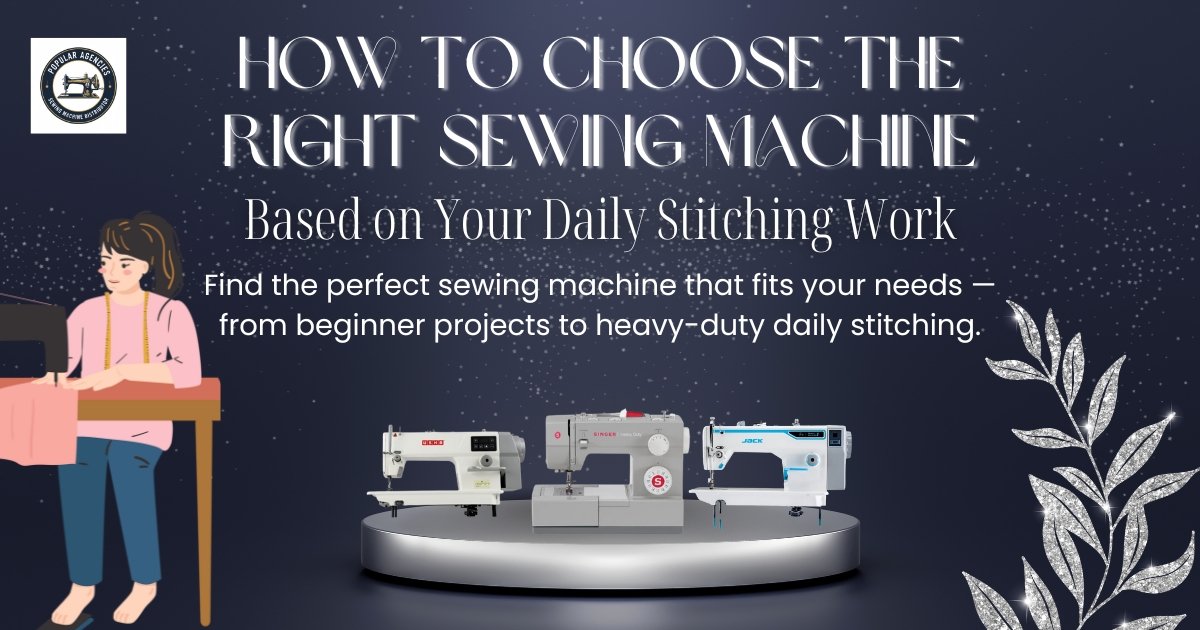
How to Choose the Right Sewing Machine Based on Your Daily Stitching Work
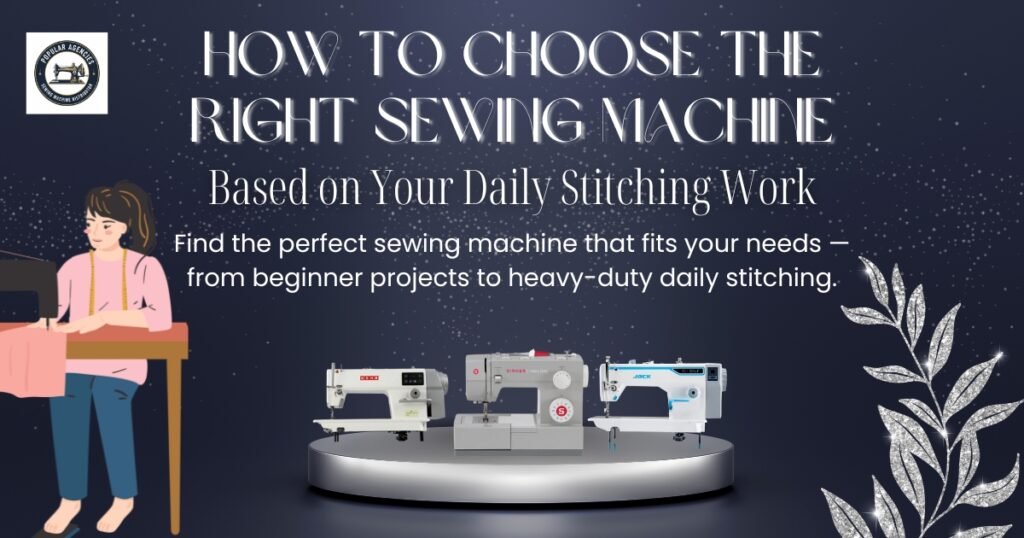
Choosing a sewing machine is not about buying the most advanced model or the one with the longest feature list. The right sewing machine is the one that matches your daily stitching work, your usage pattern, and your long-term expectations. Many users end up dissatisfied not because the machine is bad, but because it was never meant for the kind of work they do every day.
This guide breaks down how to choose the right sewing machine by looking at how you actually stitch, not how machines are marketed.
Start With Your Daily Stitching Reality
Before looking at machine types or features, ask yourself one simple question:
What kind of stitching do I do most days?
Daily stitching usually falls into one of these patterns:
- Occasional home repairs and light garment work
- Regular home tailoring and alteration work
- Continuous professional tailoring or workshop use
Your answer determines everything that follows.
If Your Stitching Is Occasional and Light
If your sewing work includes:
- Minor garment repairs
- Simple home projects
- Occasional stitching for family needs
Then your priority should be:
- Ease of use
- Simple stitch controls
- Low maintenance
Machines designed for light daily use focus on basic straight stitching and smooth operation. They are easier to learn, easier to maintain, and less demanding on the user. Overbuying features in this category often leads to confusion rather than better results.
If You Stitch Regularly at Home
For users who stitch almost every day at home—such as:
- Alterations
- Blouse stitching
- Dress construction
- Consistent hobby or tailoring practice
The machine needs to handle:
- Longer running time
- Consistent stitch quality
- Slight variations in fabric thickness
At this level, stability and stitch consistency matter more than decorative options. The machine should feel comfortable to operate for extended periods without frequent adjustments.
If Your Stitching Is Professional or Continuous
For professional tailors and workshops, daily stitching means:
- Long working hours
- Repetitive stitching tasks
- Dependence on the machine for income
Here, the sewing machine must prioritize:
- Durability
- Motor strength
- Consistent output under load
Machines meant for continuous use are designed to work hour after hour without performance drop. Choosing a machine below this requirement often leads to overheating, frequent servicing, and downtime.
Match the Machine Type to Your Workload
One of the biggest mistakes buyers make is choosing a machine based on popularity rather than suitability.
- Mechanical machines are preferred for users who value control, simplicity, and long-term serviceability.
- Computerized machines suit users who want precision, ease, and repeatable results with less manual effort.
Neither is “better” universally. The right choice depends on how much control you want versus how much automation helps your workflow.
Fabric Type Matters More Than People Think
Daily stitching is also defined by fabric type, not just frequency.
Ask yourself:
- Do you mostly stitch light cottons and blends?
- Do you regularly work with thicker or layered fabrics?
A machine that performs well on light fabrics may struggle with heavier materials if used daily. Choosing based on your most common fabric ensures smoother operation and better stitch quality over time.
Comfort and Control Are Long-Term Factors
Daily stitching means daily interaction with the machine. Over time, small things matter:
- Smooth handwheel movement
- Comfortable foot pedal response
- Easy stitch adjustment
Machines that feel tiring or awkward in the first few weeks often become frustrating in the long run. Comfort is not a luxury—it directly affects productivity and stitch quality.
Why Warranty and Service Should Influence Your Choice
Daily-use machines experience natural wear. This makes:
- Clear warranty terms
- Reliable service access
- Availability of parts
far more important than extra features. A machine that is easy to service and supported locally stays useful much longer than a feature-heavy model with limited support.
This is where buying from an experienced sewing machine store like Popular Agencies makes a difference—guidance is based on real usage patterns, not just specifications.
Avoid These Common Buying Mistakes
Many users regret their purchase because they:
- Bought based on features they never use
- Ignored daily workload requirements
- Chose complexity over reliability
- Underestimated the importance of service support
Avoiding these mistakes starts with understanding how you actually stitch every day.
Final Thoughts: Choose for Usage, Not Hype
The right sewing machine is not the most expensive or the most advanced—it is the one that fits your daily stitching reality. When your machine aligns with your workload, fabric type, and comfort needs, stitching becomes smoother, faster, and more satisfying.
Choosing wisely at the start saves time, money, and frustration in the long run.
How do I know if a sewing machine is suitable for daily use?
A sewing machine suitable for daily use should maintain consistent stitch quality, run smoothly for extended periods, and handle your regular fabric types without overheating or frequent adjustments.
Does daily stitching require a different sewing machine than occasional use?
Yes. Daily stitching puts more load on the motor and internal components. Machines meant for occasional use may struggle when used continuously, leading to faster wear and reduced performance.
Is a heavier sewing machine better for regular stitching work?
In many cases, yes. Heavier machines tend to offer better stability during long stitching sessions, which helps maintain stitch accuracy and reduces vibration.
Should I choose features or durability when buying a sewing machine for everyday work?
Durability should always come first. Features are useful only if they support your daily workflow. A reliable machine with fewer features often performs better long-term than a complex machine with limited durability.
How important is service support for a daily-use sewing machine?
Service support is extremely important. Daily-use machines naturally require maintenance over time, so access to clear warranty terms and local technician support directly affects long-term usability.
Can one sewing machine handle both light and regular daily stitching work?
Yes, if chosen carefully. The machine should be capable of handling your most frequent workload comfortably, rather than just your occasional stitching needs.




Add comment