Uncategorized 10 Reasons Why Usha Sewing Machines Are Perfect for BeginnersIntroduction For anyone starting their sewing journey, choosing the right machine can feel overwhelming. With so many brands and models available, beginners often struggle to...
Sewing Machines What’s the Best Sewing Machine for Home Use in India for 2025?The world of sewing has changed rapidly in recent years. Whether you’re a beginner looking to learn stitching at home, a hobbyist exploring creative projects,...
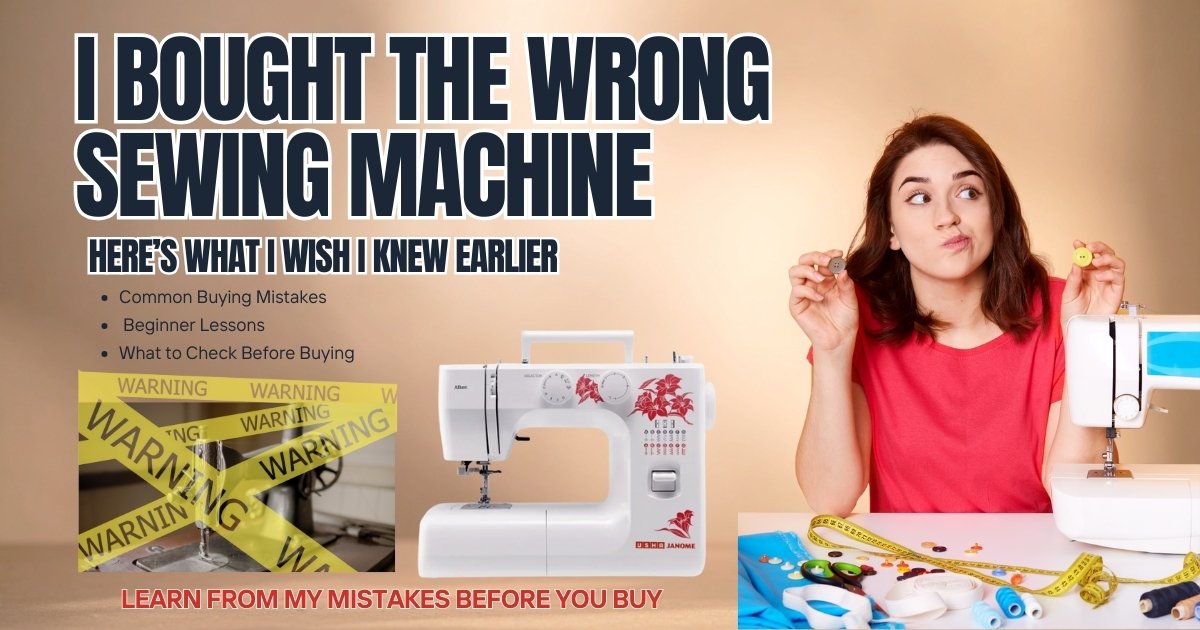
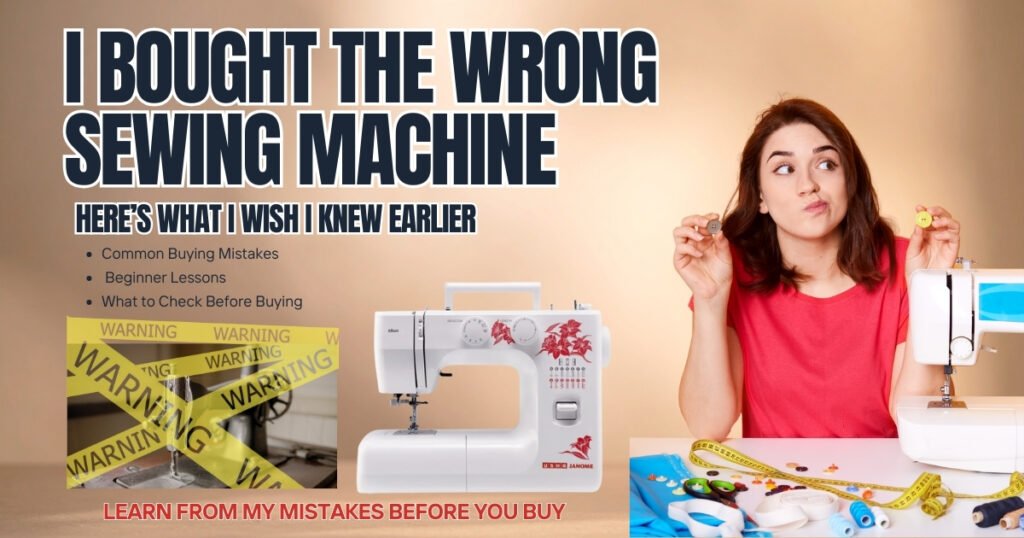
Sewing Machines I Bought the Wrong Sewing Machine – Here’s What I Wish I Knew Earlier January 19, 2026 /Posted byhunkydorysolutionsseo@gmail.com / 51 / 0 No one buys a sewing machine planning to regret it.You research a bit.You ask around.You look at prices.You hear phrases like “best model”, “latest features”, “good offer”.And you buy.Then reality starts.The machine feels heavier than expected.Or weaker.Or too complicated.Or strangely limiting.And slowly, a thought forms:“I think I bought the wrong sewing machine.”This blog isn’t about blaming brands or sellers.It’s about sharing the lessons many people learn after buying a sewing machine—so you don’t have to.The Excitement Phase (Where Most Mistakes Begin)The first mistake usually happens before the machine even arrives.You focus on:PriceBrand nameNumber of featuresSomeone else’s recommendationWhat you don’t focus on enough:How you’ll actually use the machineHow often you’ll stitchWhat fabrics you’ll work withYour learning stageExcitement is natural—but excitement hides practical thinking.Mistake #1: Buying Based on Price AloneThis is the most common regret.People think:“I’ll buy a cheaper one first. I can upgrade later.”Sometimes that works.Often, it doesn’t.Cheap machines may:Vibrate moreStruggle with thicker fabricsBreak needles frequentlyRequire constant adjustmentsYou don’t just lose money—you lose confidence and time.Mistake #2: Buying a Machine That’s Too AdvancedThis mistake is less obvious but just as damaging.Some buyers jump straight into:Automatic machinesFeature-heavy modelsComplex controlsThey assume:“More features = better learning.”In reality:Too many options overwhelm beginnersYou rely on automation without understanding basicsSimple problems feel confusingAdvanced machines are powerful—but only after you understand stitching fundamentals.Mistake #3: Ignoring Fabric Type and UsageThis regret appears only after stitching begins.You try:DenimMultiple layersStretch fabricAnd suddenly the machine struggles.Not all sewing machines are designed for:Heavy fabricsLong hoursContinuous stitchingBuying without considering fabric and workload leads to daily frustration.Mistake #4: Not Thinking About the Next StageMost people don’t ask:“Where will my stitching be in 1–2 years?”They buy for today only.Then:Orders increaseSkills improveExpectations riseAnd the machine becomes a bottleneck.The wrong choice today often means replacing the machine sooner than planned.Mistake #5: Underestimating After-Sales SupportThis regret comes quietly.The machine is fine—until it isn’t.Then you realise:Service is slow or unavailableSpare parts are hard to findGuidance is missingA sewing machine is not a one-time product.It’s a long-term relationship.Support matters more than brochures.What I Wish I Had Asked Before BuyingLooking back, these are the questions that would have changed everything:How often will I stitch?What fabrics will I use most?Am I learning or producing?Do I want simplicity or speed?Is support easily available?These questions matter more than features.The Emotional Impact of the Wrong ChoiceThis part isn’t talked about enough.The wrong machine can:Kill motivationSlow learningCreate unnecessary stressMake sewing feel harder than it isMany people stop sewing not because they lack skill—but because their machine constantly fights them.The Truth No One Tells YouHere it is:There is no “best sewing machine.”There is only the “right machine for you right now.”What works for someone else may not work for you.And that’s okay.How to Avoid This RegretYou don’t need perfect knowledge—just honest clarity.Before buying:Match the machine to your current levelLeave room for growthPrioritise comfort and reliabilityValue guidance and supportA thoughtful decision saves years of frustration.Final Thoughts: Mistakes Teach—But Smart Choices Prevent ThemBuying the wrong sewing machine doesn’t mean you failed.It means you learned.But learning through regret is expensive.When your machine supports your learning instead of resisting it, sewing becomes enjoyable again—calm, creative, and satisfying.That’s when progress truly begins. Share Post Twitter Facebook VK Pinterest Mail to friend Linkedin Whatsapp Skype From Home Stitching to Tailori... Why Your Sewing Machine Choice...






Add comment