No products in the cart.
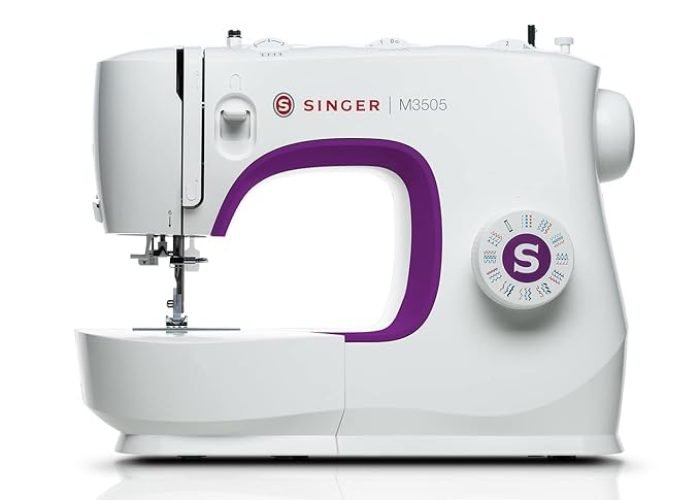
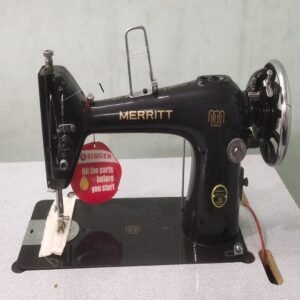
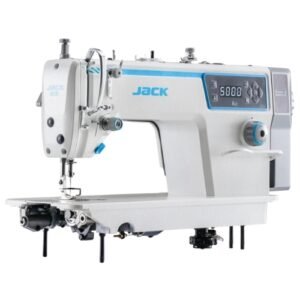
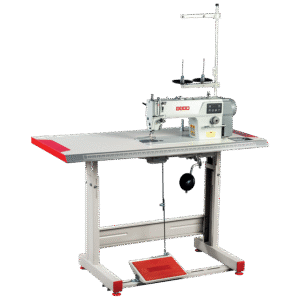
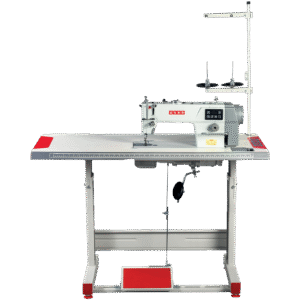
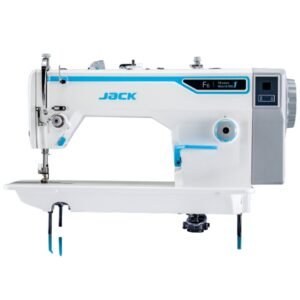
Electric sewing machines are motor-powered stitching machines designed to deliver smooth, consistent seam formation without manual effort. Unlike traditional hand-operated models, an electric sewing machine uses an internal motor and foot pedal system to maintain steady stitching speed, making it easier to complete longer seams and repetitive tasks.
These machines are widely used for:
Whether referred to as an electric tailoring machine, electric stitching machine, or motorised sewing machine, the core advantage remains the same — controlled, efficient stitching with reduced physical strain.
Many users move from manual machines to electric sewing machines because of the practical advantages in real-world usage.
An electric sewing machine for home use ensures even stitch flow, especially during long seams. The motor maintains consistent power, reducing uneven stitch formation.
Because the machine is motor-driven, users do not need to apply manual force continuously. This makes electric sewing machines more comfortable for daily stitching.
With a foot pedal system, users can regulate stitching speed based on fabric thickness and seam type. This provides greater precision during garment construction.
For users handling frequent alterations or daily tailoring work, electric sewing machines improve overall output without increasing strain.
Electric sewing machines are not one-size-fits-all. They are available in different configurations depending on stitching needs.
Best suited for:
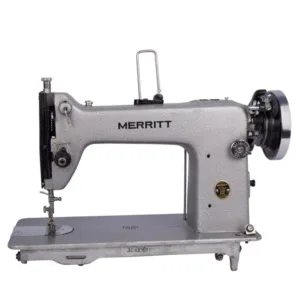
These machines focus on strong, consistent straight seams.
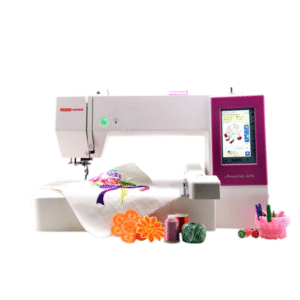
Also known as automatic electric sewing machines, these offer multiple stitch options including zig-zag and utility stitches, suitable for users who want added flexibility.
An electric zig-zag sewing machine allows users to handle edge finishing, stretch stitching, and decorative work in addition to straight seams.
A domestic electric sewing machine is designed specifically for home environments, offering compact design and practical features for regular use.
Choosing the right electric sewing machine depends on daily stitching patterns rather than just stitch count.
Electric sewing machines are ideal for:
Users who stitch regularly at home benefit from smooth motor performance and better control.
An electric sewing machine for home use helps beginners learn faster because they can focus on fabric handling rather than manual operation.
For moderate daily workloads, an electric tailoring machine offers reliable performance without moving into full industrial setups.
If your work involves frequent repair and hemming jobs, an electric stitching machine ensures consistent seam strength.
While electric sewing machines are highly practical for home and moderate professional use, they are different from industrial sewing machines.
Industrial machines are built for:
Electric sewing machines, on the other hand, are best for:
Understanding this difference helps avoid under-buying or over-buying.
Popular Agencies offers carefully selected electric sewing machines from approved brands such as Usha, Singer, Brother, Jack, Guru, Revo, and UME.
Each electric sewing machine listed is:
Customers receive guidance on selecting the best electric sewing machine for tailoring, based on real usage patterns rather than marketing claims.
Warranty and service terms for electric sewing machines vary by model and brand.
Popular Agencies ensures:
This ensures long-term reliability rather than short-term satisfaction.
Before selecting an electric sewing machine, evaluate:
Buying based on real stitching requirements ensures better performance and longer machine life.
Electric sewing machines provide an ideal balance between manual control and motor-driven efficiency. They are suitable for home tailoring, regular alterations, and moderate daily stitching work where smooth operation and consistency are essential.
By choosing Popular Agencies as your trusted sewing machine store, you gain access to genuine electric sewing machines supported by practical guidance, service clarity, and dependable long-term support.
Both terms are commonly used interchangeably. A motorised sewing machine refers to a sewing machine powered by an electric motor.
Yes. Electric sewing machines are well-suited for regular home stitching and alteration work.
The best electric sewing machine for tailoring depends on daily workload, stitch requirements, and fabric type rather than brand name alone.
Fabric compatibility depends on the specific model. Some domestic electric sewing machines are suitable for light to medium fabrics.
Automatic electric sewing machines offer more stitch options, but basic models may be more practical for straightforward daily tailoring.
Routine cleaning and periodic servicing help maintain consistent stitch quality and extend machine life.
WhatsApp us